Dog dental care at home: a routine you can actually keep
Daily tooth brushing is the most effective thing most owners can do for their dog's mouth. The trick is building up to it slowly, and never using human toothpaste.
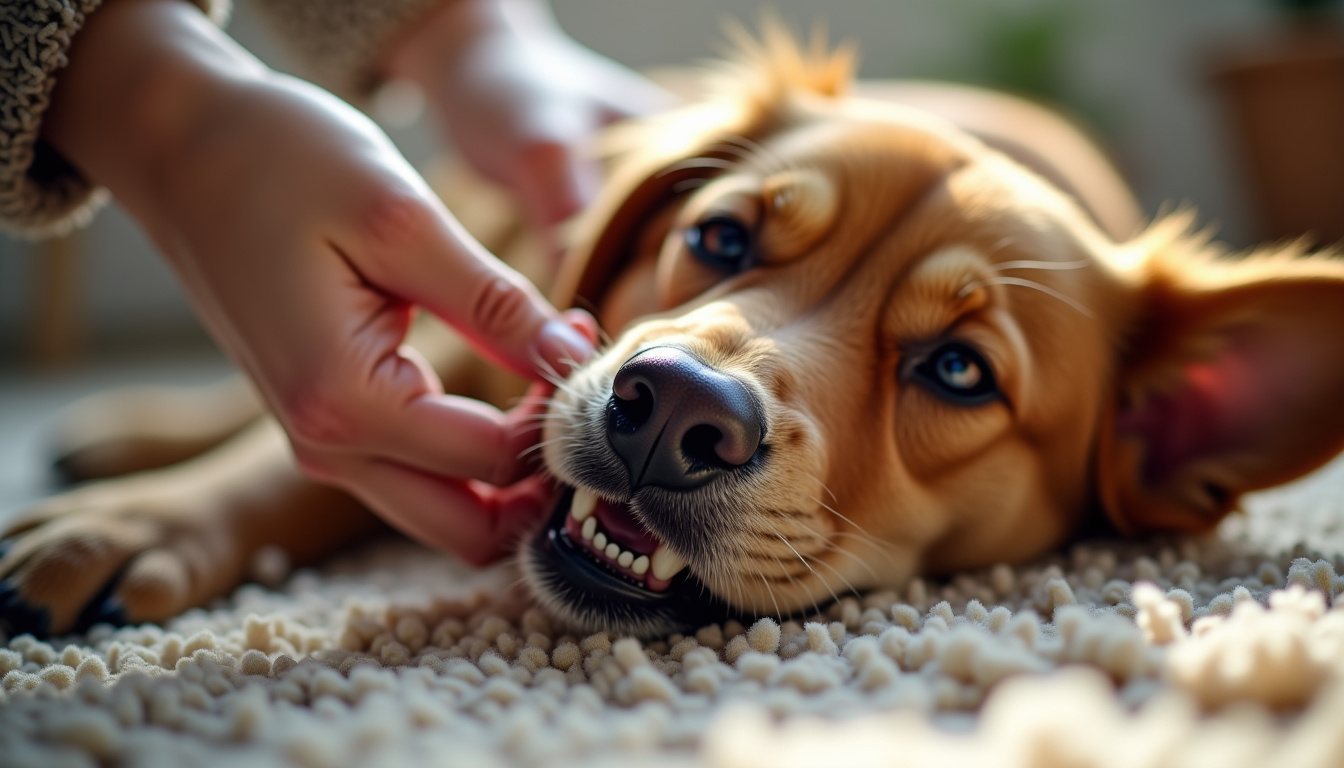
Dental care is the part of grooming that's easiest to forget, because you can't see the problem from across the room. Bad breath creeps up slowly, dogs are remarkably good at eating through mouth pain, and by the time anything is obvious, there's often tartar and gum disease that brushing alone won't fix.
The encouraging part: brushing a dog's teeth isn't complicated, and most dogs can learn to accept it if you introduce it gradually. This guide is about the home routine. Diagnosis and professional cleaning are your vet's territory.
Why it matters
Plaque, a soft film of bacteria, forms on teeth constantly. If it isn't removed, it hardens into tartar (calculus) and irritates the gums. Over time, inflammation can extend below the gumline and damage the tissues that hold teeth in place. That process is called periodontal disease, and it's widely recognized as one of the most common health problems vets see in adult dogs.
Brushing works because it disrupts plaque before it hardens. That's also why frequency matters: plaque comes back within a day or so.
The one rule: dog toothpaste only
Never use human toothpaste on a dog. Dogs swallow it, and some human toothpastes contain xylitol, a sweetener that is toxic to dogs. The US Food and Drug Administration has published a consumer warning about xylitol and dogs. If your dog eats a product containing xylitol, contact your vet or an animal poison control service immediately.
Dog toothpastes are made to be swallowed and usually come in flavors dogs like, which makes training far easier.
Choosing a toothbrush
- Finger brushes (a soft rubber cap with bristles that fits over your fingertip) are a gentle way to start, especially for small dogs and puppies. Watch your finger with dogs that might bite down.
- Dog toothbrushes with long handles and angled or double heads reach the back teeth more easily.
- A soft child's toothbrush works for many small and medium dogs.
- Gauze wrapped around a finger is a simple first step before any brush.
Soft bristles are the priority. You are cleaning along the gumline, and hard bristles can hurt.
Building up to brushing, step by step
Take a week or more. Each step is a few short sessions, ended on a good note.
- Toothpaste as a treat. Let your dog lick a little dog toothpaste from your finger. Most dogs love this part.
- Lip lifts. Gently lift the upper lip for a second, then give a little toothpaste. Gradually lift for longer and look at different areas of the mouth.
- Finger on the teeth. Rub a toothpaste-covered finger along the outside of the front and side teeth for a few seconds.
- Introduce the brush or finger brush. Let your dog lick toothpaste off it first. Then touch it to a canine tooth for a second.
- Short brushing sessions. Brush a few teeth with gentle circular motions, focusing on the gumline, then stop and reward. Add more teeth each day.
If your dog pulls away, go back a step. Forcing the mouth open builds resistance that's very hard to undo. Our guide to grooming an anxious dog explains why stopping early works better than pushing through.
Technique
- Angle the bristles toward the gumline and use small circles.
- Focus on the outside surfaces of the teeth; that's where most tartar builds up, and most dogs won't let you reach the inside surfaces anyway. The tongue does some work on the inner surfaces.
- Don't forget the large upper back teeth (the upper fourth premolars), which commonly build up tartar. Slide the brush back inside the cheek.
- Aim for about 30 seconds per side once your dog is comfortable. Thirty seconds daily beats two minutes weekly.
- Choose a time when your dog is relaxed, such as after a walk, and keep it in the same spot so it becomes part of the day.
What brushing can't do
Brushing prevents plaque from hardening. It doesn't remove tartar that's already there, and it can't treat disease below the gumline. If your dog already has visible brown or yellow buildup, ask your vet about a professional cleaning first, then start brushing on clean teeth.
Professional dental cleaning for dogs is done under general anesthesia so the vet can clean below the gumline, take X-rays and examine every tooth safely. You will see "anesthesia-free" cleaning offered in some places; many vets advise against it because it only cleans the visible surfaces and can't assess what's below the gums. Talk to your vet about what your dog needs.
Signs to take to the vet
- Persistent bad breath (some odor is normal; strong, foul breath isn't)
- Red, swollen or bleeding gums
- Brown or yellow tartar along the gumline
- Loose, broken or discolored teeth
- Chewing on one side, dropping food, or reluctance to eat hard food or chew toys
- Pawing at the mouth, drooling more than usual, or swelling on the face below the eye
Many dogs with painful mouths keep eating. Don't rely on appetite as a sign everything is fine.
Chews, toys and other add-ons
Dental chews, water additives and special diets can help some dogs, but they work best alongside brushing, not instead of it. Be careful with very hard items such as antlers, bones and hard nylon chews, which are a common cause of fractured teeth; a widely repeated rule of thumb is that if you can't dent it with a thumbnail, it may be too hard for your dog's teeth. Always supervise chewing, and ask your vet which products suit your dog.
Fitting it into the rest of your routine
Dental care pairs naturally with other quick checks. While your dog is relaxed for brushing, glance at ears and eyes, run your hands over the body, and look at nails. See cleaning your dog's ears and trimming dog nails safely. If you have a puppy, adding lip lifts and toothpaste tastes to their early grooming introductions makes adult brushing much easier.