Cleaning your dog's ears: a gentle routine and the warning signs
Healthy ears often need very little from you. The skill is knowing what normal looks and smells like, so you notice early when something isn't.
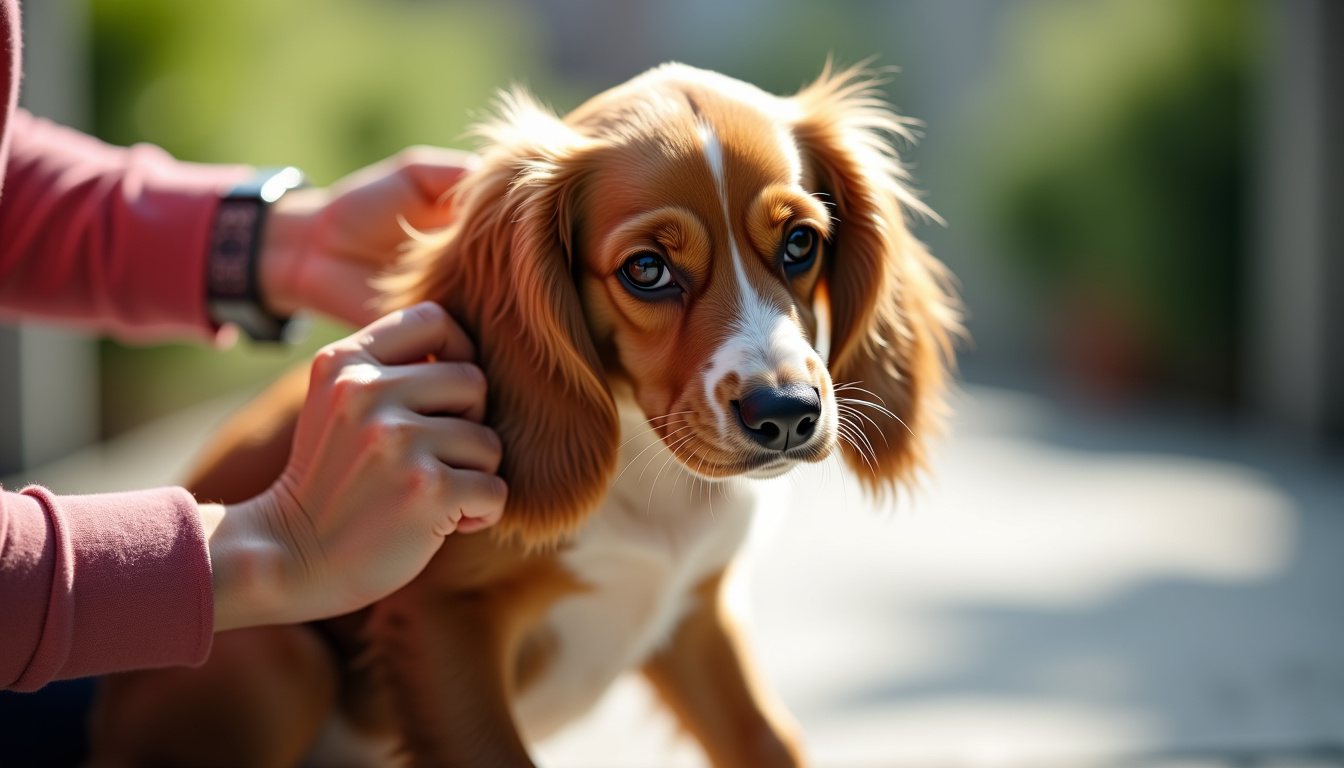
Ear cleaning is the grooming task where doing too much can be as unhelpful as doing too little. A dog's ear canal is L-shaped: it runs down the side of the head and then turns inward toward the eardrum. That shape protects the eardrum but also means you can't see most of the canal, and anything you poke in there can push debris further down.
So the home routine is mostly about looking, smelling and wiping what you can see, with an occasional rinse using a proper dog ear cleaner. Diagnosing and treating anything beyond that is your vet's job.
What healthy ears look like
Get to know your dog's normal so you can spot changes. Look and sniff once a week; it takes ten seconds.
- Skin inside the ear flap is pale pink (or naturally pigmented in some dogs), not red or swollen.
- A small amount of light-colored wax can be normal.
- There's no strong odor. A faint, slightly waxy smell can be normal; a yeasty, sour or rotten smell isn't.
- Your dog doesn't mind you handling the ear.
Signs that mean a vet visit, not a clean
- Redness, swelling or heat in the ear
- Dark, brown, yellow or bloody discharge, or a lot of wax
- A strong or unpleasant smell
- Head shaking, scratching at the ear, rubbing the head along the floor
- Pain or flinching when you touch the ear
- A head tilt, loss of balance, or unusual eye movements
- A swollen, puffy ear flap, which can be a blood blister in the flap (aural hematoma)
- Sudden symptoms after a walk through long grass, which can suggest a grass seed in the canal
Please don't try to treat suspected ear infections with home remedies or leftover medication. Ear infections have different causes (bacteria, yeast, mites, allergies, foreign bodies), some ear medications can harm the inner ear if the eardrum is damaged, and only a vet can check that. Getting the right diagnosis early is usually quicker and cheaper than treating a long-running problem.
Which dogs need more ear attention
Dogs with long, heavy, floppy ears (spaniels, Basset Hounds, many retrievers and doodles), dogs with a lot of hair in the ear canal (Poodles, Shih Tzus, many doodle crosses), dogs who swim, and dogs with allergies tend to have more ear trouble. For these dogs, a weekly look and a gentle clean when you see dirt makes sense. Your vet can tell you whether your individual dog needs more.
What you need
- A dog ear cleaner, ideally one your vet suggests.
- Cotton balls or gauze squares. Not cotton swabs.
- Treats.
- A towel, because there will be shaking.
How to clean the ears
- Do it somewhere you don't mind getting splashed. The bathroom or outdoors works well.
- Check first. If you see any of the warning signs above, stop and call your vet.
- Lift the ear flap gently and straighten it upward to open the canal.
- Fill the canal with cleaner according to the product's instructions. Avoid jamming the bottle tip into the ear; hold it just at the opening.
- Massage the base of the ear (below the opening, at the side of the head) for 20 to 30 seconds. You should hear a soft squelching sound as the cleaner loosens wax.
- Step back and let your dog shake. That shake brings loosened debris up from the canal.
- Wipe the visible parts of the ear and the opening with a cotton ball or gauze. Only go as far as your finger comfortably reaches.
- Reward, then repeat on the other ear with a clean cotton ball.
If a lot of dark debris comes out, or your dog seems uncomfortable, that's worth mentioning to your vet even if your dog seems fine otherwise.
After swimming and baths
Moisture trapped in the ear canal can contribute to ear problems in some dogs. After swimming, gently dry the visible parts of the ear with a towel. Some vets recommend a drying ear cleaner for frequent swimmers; ask yours. During baths, keep water out of the ears altogether by washing the head with a damp cloth, as described in our home bathing guide.
Ear hair
Some breeds grow hair in the ear canal. Practice differs here: some groomers remove it routinely, while many vets now advise removing it only when it is contributing to a problem, since plucking can irritate the canal. Talk to your vet about your dog rather than plucking at home. If a groomer handles your dog's ears, ask what they do and why; that's one of the questions in our guide to choosing a professional groomer.
Common mistakes to avoid
- Cleaning too often. Overcleaning can irritate healthy ears. If they look and smell normal, leave them alone.
- Cleaning sore ears. If an ear is red, smelly or painful, cleaning can hurt and delay diagnosis. Book the vet first.
- Poking deep. Fingers, swabs and tweezers don't belong in the canal.
- Leftover medication. Drops prescribed for a previous infection, or for another pet, may not suit the current problem.
Making ear handling easy
A dog who lets you lift and look inside their ears is much easier to care for, and much easier for a vet to examine. Practice gentle ear touches with treats on days you aren't cleaning anything. Hold an ear for a second, treat, release. Puppies take to this quickly; see introducing a puppy to grooming. For a dog who already dislikes ear handling, often because of a painful infection in the past, go slowly and follow the approach in grooming an anxious dog.
If your dog suddenly resents ear handling when they used to tolerate it, treat that as a symptom. Pain is a common reason, and it's a reason to see the vet.