How to choose a professional groomer you can trust
A good groomer is a partner in your pet's care. Visiting first, asking the right questions and watching how animals are handled tells you more than any sign on the wall.
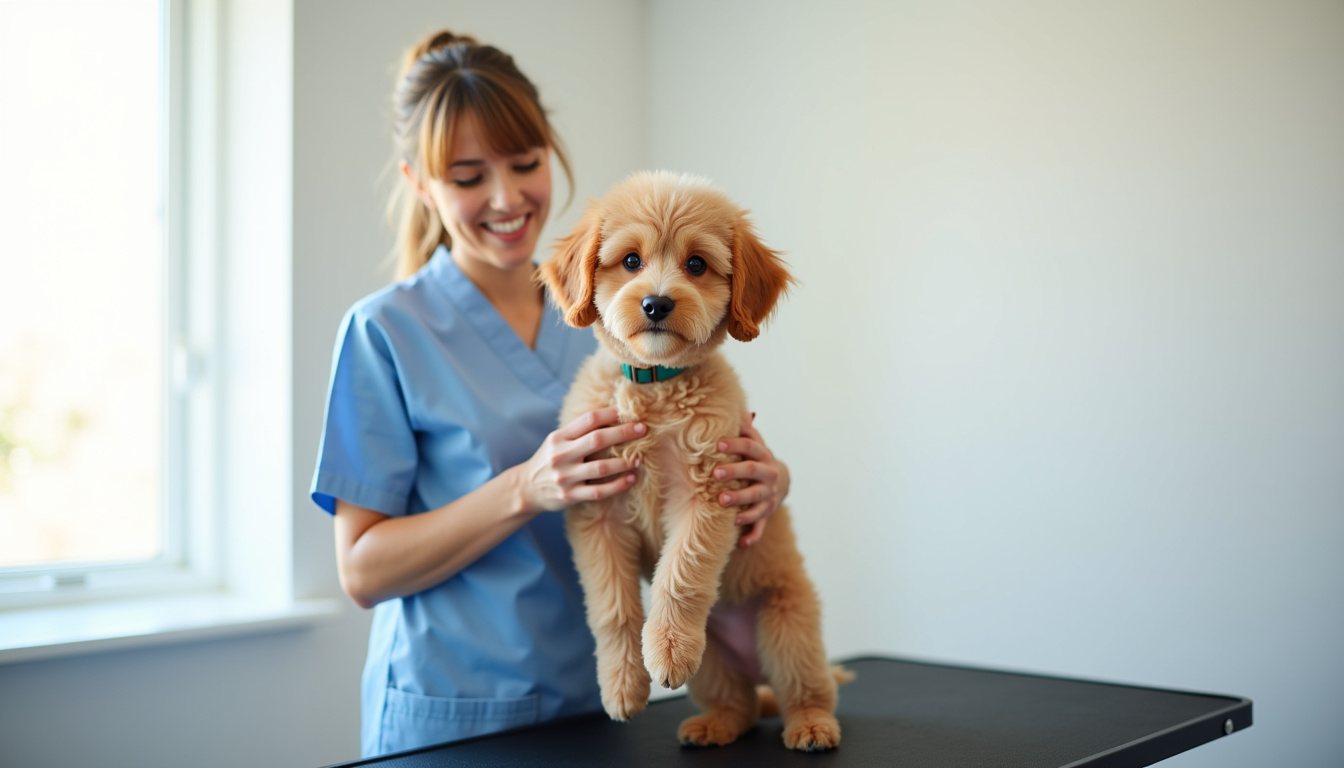
Handing your dog or cat to someone with sharp scissors and a loud dryer is a big act of trust. Most groomers work hard to earn it. Still, the experience varies a great deal between salons, and the time to find out is before your pet's first appointment, not after.
Know what you need first
- What service? A bath and tidy, a full haircut, a deshed for a double coat, nail trims, a cat groom, hand-stripping for a wire coat.
- What's your pet like? Anxious, elderly, reactive with other dogs, arthritic, or a puppy on a first visit?
- What setting suits? A busy salon, a quieter one-to-one studio, a mobile groomer, or a groomer attached to a vet clinic.
Being clear about these makes it much easier to judge whether a groomer is a good fit.
Paperwork and rules: what to check
In the US, licensing and inspection rules for grooming businesses vary by state, county and city, and many places have no specific license for individual groomers. Training ranges from formal courses and apprenticeships to on-the-job experience. That means you can't rely on a certificate alone to judge a groomer, in either direction. If you want to know the rules where you live, check your state department of agriculture or local government website.
It is reasonable to ask whether the business carries insurance, how they handle accidents or injuries, and what their vaccination requirements are.
Visit before you book
Ask if you can stop by for a few minutes. A good salon won't mind, though they may ask you to come at a quieter time. Look for:
- Cleanliness: tidy work areas, clean tables and tubs, hair being swept up, no strong odors.
- Calm handling: animals handled gently and spoken to calmly; no yanking, shouting or rough restraint.
- Safety: non-slip surfaces; dogs never left alone on tables, especially when attached to a grooming loop.
- Kennels or waiting areas: clean, with water available for dogs waiting longer.
- Temperature: comfortable, not stuffy, with dogs that look relaxed rather than overheated.
Questions to ask
Handling and stress
- How do you handle a dog that's nervous or won't stand still?
- What do you do if a dog becomes very stressed? Will you stop and call me?
- Do you use muzzles, and if so, how?
- Can my dog have a short introductory visit first?
Drying
- How do you dry dogs? Do you use heated cage dryers?
- If so, are dogs checked constantly while in them?
Heated cage drying has been linked to cases of dogs overheating, and flat-faced (brachycephalic) breeds, elderly dogs and dogs with health problems are especially at risk. Many groomers hand-dry or use unheated air. Ask, and if your dog is at higher risk, ask for hand drying.
Coat and matting
- What do you do if my dog's coat is matted?
- Will you call me before shaving down a matted coat?
- Do you do deshedding for double coats? (A good answer won't involve shaving; see why shaving double coats usually backfires.)
Ears, nails and health
- Do you clean ears or remove ear hair? What's your approach?
- Will you tell me if you notice lumps, skin problems, ear issues or anything unusual?
- What happens if a dog is injured, for example a quicked nail or a clipper nick?
Practicalities
- How long will my pet be there? Will you call when they're ready?
- Roughly how much will it cost, and what changes the price?
- What vaccination records do you need?
For cats
- How much experience do you have with cats?
- Are cats kept away from dogs?
- When would you recommend a vet do the groom under sedation instead?
Red flags
- Refusing to let you see where pets are groomed or kept, with no explanation
- Pets left unattended on tables or in heated dryers
- Rough handling, shouting or visible panic in the animals you see
- Dismissive answers about safety, drying or injuries
- Promises to "shave your Husky so it stays cool this summer"
- No interest in your pet's age, health or temperament
Salon, mobile or vet-clinic groomer?
Each setting suits different pets. Busy salons often have more availability and several groomers. Small or one-to-one studios are quieter and can suit nervous dogs and cats. Mobile groomers come to your home in an equipped van, so your pet sees one person and no other animals. Some veterinary clinics also offer grooming, which can help for pets with health problems or those who need sedation for matting, which only a vet can provide. Whichever you choose, the questions above still apply.
After the first groom
Check your pet over at home. Look at the skin for redness or nicks, check the nails and ears, and notice your pet's mood. Some tiredness is normal; ongoing scratching, a sore area, limping or unusual behavior are reasons to call the groomer and, if there's any injury or skin reaction, your vet.
Give honest feedback. Good groomers want to know what worked and what didn't. If a groom didn't go well, talk to them before deciding to switch; sometimes a small change, such as a different time of day or shorter sessions, makes a big difference.
Groomers and home care work together
The best results come when owners keep up at home between appointments. Regular brushing (see brushing by coat type), nail care and good handling habits make each professional groom shorter and easier. If your pet is nervous, work on building their confidence between visits, and if you have a puppy, start early. For cats, see cat grooming basics.