Why shaving double-coated dogs usually isn't the answer
It feels logical to shave a fluffy dog in a heatwave. For Huskies, Shepherds, Goldens and other double-coated breeds, it often causes more problems than it solves.
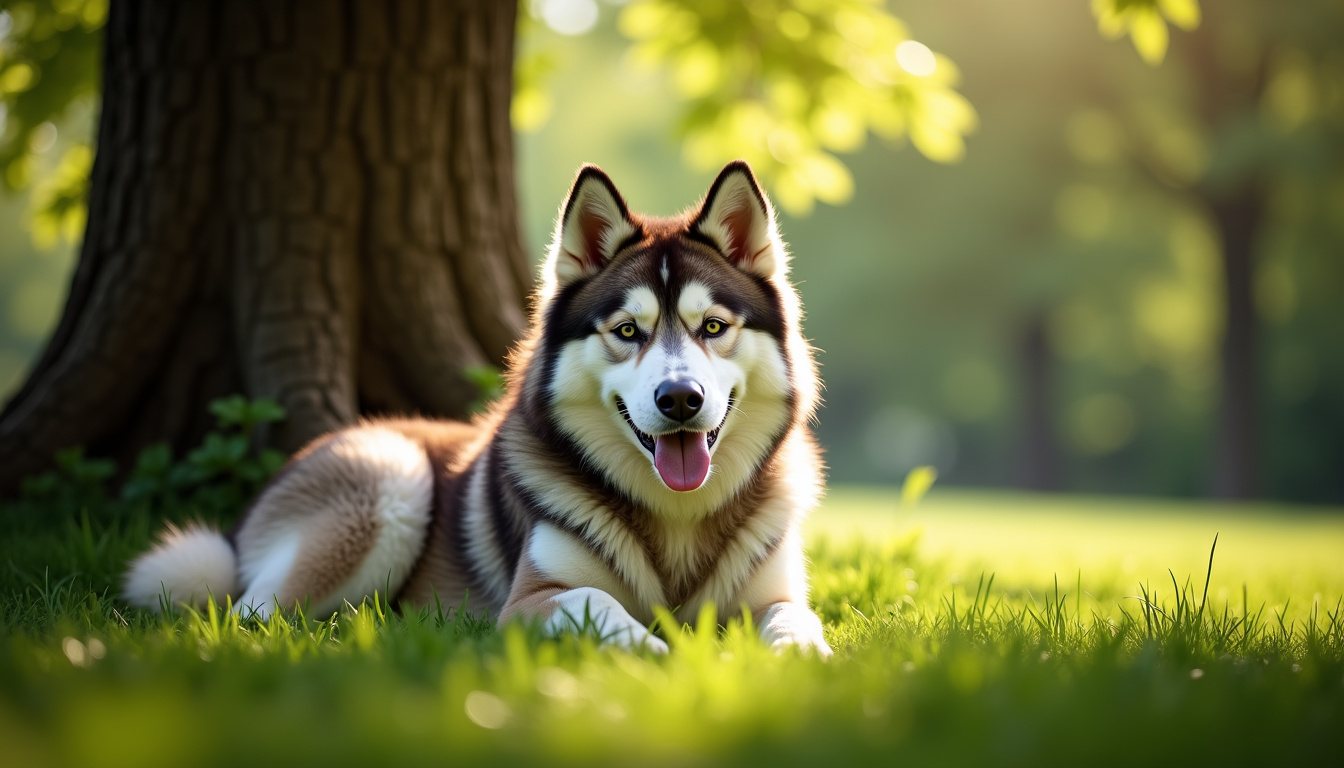
Every summer the same scene plays out: a fluffy dog panting on a hot day, an owner who feels terrible about it, and a decision to take the clippers to the whole coat. With single-coated or curly-coated dogs, a shorter summer trim can be perfectly reasonable. With double-coated breeds, it's usually a mistake, and an understandable one.
How a double coat works
A double coat has two layers. The guard hairs on top are longer and coarser; they shed water and dirt and shield the skin from sun. The undercoat underneath is soft, dense and woolly, and traps air close to the body.
Double-coated dogs shed the undercoat heavily, usually in a seasonal "blow" in spring and again in fall, though many dogs who live mostly indoors shed more steadily through the year. When that loose undercoat is brushed out, the remaining coat lets air move near the skin while the guard hairs still shade it. When it isn't brushed out, dead undercoat packs down, traps heat and moisture and can mat.
Breeds with double coats include Siberian Huskies, Alaskan Malamutes, German Shepherds, Golden and Labrador Retrievers, Bernese Mountain Dogs, Australian Shepherds, Border Collies, Pomeranians, Shetland Sheepdogs, Corgis, Chow Chows, Akitas and Samoyeds, along with many mixes of them.
What can go wrong after a full shave
Sunburn and skin exposure
With the coat shaved close, the skin is exposed to direct sun. Dogs can sunburn, particularly on pale or thin-haired skin. The coat that seemed to be the problem was also acting as shade.
Not necessarily cooler
Dogs cool themselves mainly by panting, and to a small extent through their paw pads, not by sweating through their skin as people do. A shave doesn't change that system, and losing the insulating, shading layer can mean the skin heats up faster in the sun.
Patchy or changed regrowth
Many groomers and owners have seen double coats grow back unevenly after a close shave: patchy, with the undercoat returning before the guard hairs, or with a woolly, different texture. Some coats take a very long time to recover, and occasionally they don't seem to fully recover. How often this happens and exactly why is not well established, and some vets describe a related condition called post-clipping alopecia, where hair is slow to regrow at all. The point is that you can't count on the coat coming back the way it was.
Skin irritation
Clipping a thick coat close to the skin, especially at home with blades that heat up, can cause clipper burn and irritation. See our guide to clippers versus scissors for why home clipping needs care.
What actually helps a double-coated dog in summer
- Brush out the undercoat thoroughly. This is the real "summer cut." An undercoat rake and slicker, used with line brushing, removes the dead coat. Our deshedding season guide walks through it.
- Book a professional deshed. Many groomers offer a bath, high-velocity blow-out and deshedding, which removes an impressive amount of coat without clippers.
- Tidy, don't shave. Trimming hair on the feet and between the pads, a sanitary trim and neatening feathering keep a dog cleaner and more comfortable.
- Manage the day, not just the coat. Walk in the cooler early morning and late evening, avoid hot pavement, provide shade and fresh water, and never leave a dog in a parked car.
- Know the signs of heat stress. Heavy panting, drooling, weakness, stumbling, bright red or pale gums, vomiting or collapse. Heatstroke is an emergency: move the dog somewhere cooler and contact a vet immediately.
Single coats, curly coats and the difference
Not every fluffy dog has a double coat. Poodles, Bichons, many doodles, Maltese and Shih Tzus have coats that keep growing and shed very little, with no seasonal undercoat blow. For those dogs a shorter summer clip is a normal, practical choice, often easier to keep tangle-free in hot, humid weather, and the coat grows back as before. Just leave enough length to protect the skin from the sun, and avoid clipping right down to the skin.
If you aren't sure which coat your dog has, part the hair along the back. A dense, soft, cottony layer under longer, coarser hair points to a double coat. Hair that is roughly the same texture from skin to tip, curly or silky, points to a single coat. Mixed breeds can fall in between, which is a good reason to ask a groomer to look before clipping. Our guide to brushing by coat type describes each coat in more detail.
The real exceptions
There are good reasons to clip a double-coated dog, and none of this is meant to make anyone feel guilty after the fact.
- Severe matting. When a coat is matted close to the skin, brushing it out can be painful and stressful, and a shave-down is often the kindest option. Many groomers call this "humanity before vanity." The mats can hide skin problems, so have your vet check the skin if it looks sore once the coat is off.
- Medical reasons. Vets clip areas for surgery, wound care and skin conditions. Follow their advice.
- Some older or ill dogs whose coats have become unmanageable may be more comfortable with a shorter clip. That's a conversation with your vet and groomer, not a summer default.
If your dog's coat has already been shaved, don't panic. Protect exposed skin from strong sun, keep up gentle brushing as the coat returns, and ask your vet if regrowth seems unusually slow or the skin looks unhealthy.
What to say to a groomer
If you book a double-coated dog in for summer, ask for a bath and deshed rather than a shave, plus tidied feet and a sanitary trim if you like. A good groomer will be glad to hear it, and may mention if they think matting or skin issues need a different plan. More questions to ask are in how to choose a professional groomer.
For the basics of brushing this coat type well between appointments, see dog brushing by coat type.