Clippers vs scissors: trimming your dog at home safely
Home trims are very doable for tidy-ups and simple short cuts. Knowing how each tool can hurt a dog is the first step to using it well.
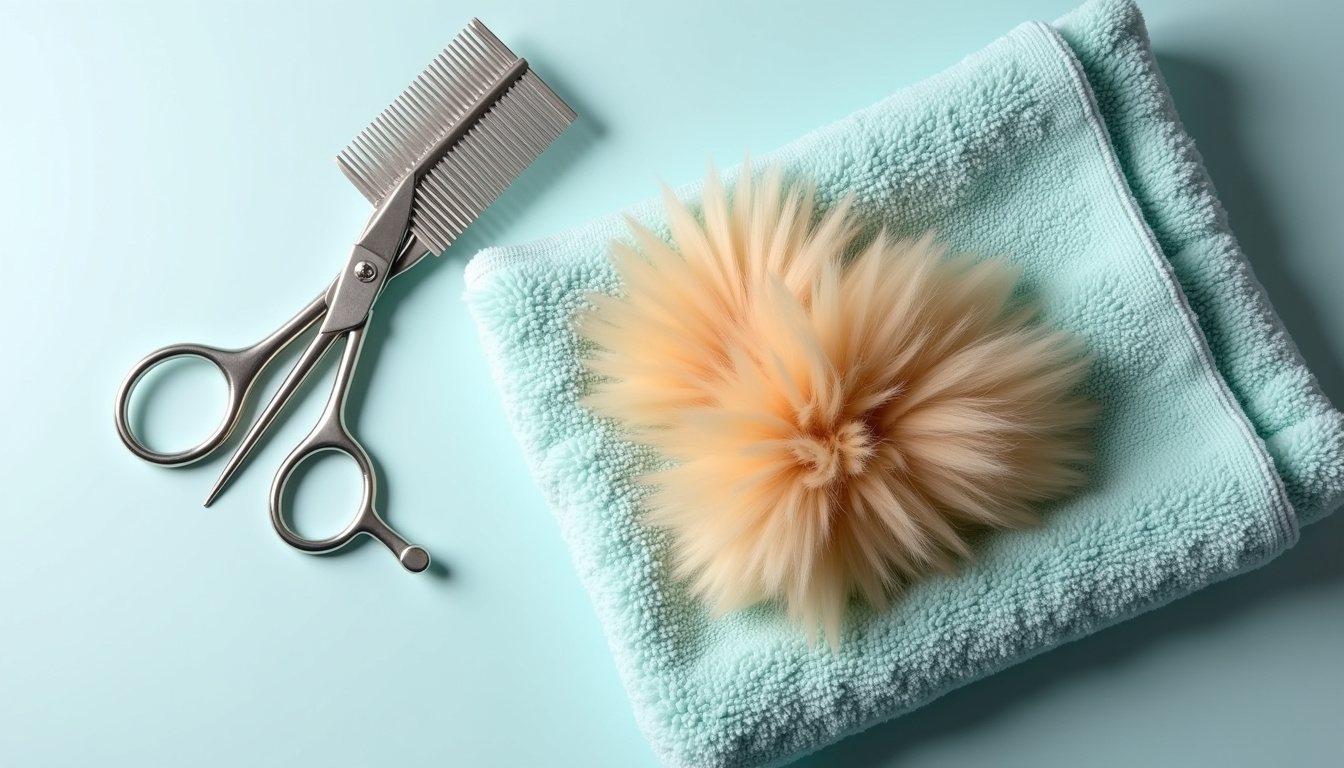
Home trimming saves money and trips to the salon, and for a lot of dogs it is perfectly manageable: tidy feet, a neat sanitary area, eye fringe out of the way, maybe a simple all-over short clip on a curly coat. Both clippers and scissors can do real damage though, in different ways, so this guide focuses on safety first.
Two absolute rules before anything else: always brush and comb the coat out completely before trimming, and never cut mats out with scissors. If the coat is matted close to the skin, book a groomer.
Clippers vs scissors at a glance
| Clippers | Scissors | |
|---|---|---|
| Best for | Even, short lengths over larger areas; sanitary trims; paw pads | Shaping, blending, tidying feet and face, longer finishes |
| Main risk | Clipper burn, blade heat, nicks in skin folds and on thin skin | Sharp cuts, especially near the skin, ears, eyes and when the dog moves |
| Learning curve | Moderate; simple clips are quite achievable | Higher for a neat finish |
| Coat must be | Clean, dry and fully brushed out | Clean, dry and combed |
Clipper basics
Choosing clippers
Pet clippers are built for animal coats; human hair clippers often struggle with a dense dog coat and heat up fast. Quieter, lower-vibration models are easier for nervous dogs. Clippers with detachable blades let you change blade length and replace dull blades.
Blade numbers and comb guards
On standard detachable pet blades, higher numbers leave shorter hair. A #10 leaves the coat very short and is a common choice for sanitary areas and between the paw pads. Lower numbers, such as a #7, #5 or #4, leave progressively more length. Exact lengths differ slightly by manufacturer, so check the packaging.
Plastic or metal comb guards (also called attachment combs) snap over a short blade and leave a longer, more forgiving length. For home trims, a long comb guard is the safest starting point; you can always take more off later.
Clipper technique
- Work on a clean, dry, fully brushed coat. Dirt dulls blades, and clippers jam and pull on tangles.
- Clip in the direction the hair grows for a longer, smoother finish. Clipping against the grain leaves the coat much shorter than the blade number suggests and increases the risk of clipper burn.
- Keep the blade flat against the coat. Tilting it digs the teeth into the skin.
- Stretch skin gently in loose or wrinkled areas, like the armpits, flanks and belly, so the blade doesn't catch a fold.
- Check blade heat on the inside of your wrist every few minutes. Blades get hot surprisingly fast. Swap to a cool blade, use a blade coolant spray according to its instructions, or take a break.
- Keep blades clean and oiled according to the manufacturer's instructions; a dull or dry blade pulls and heats up.
Clipper burn
Clipper burn is irritation, redness or a rash-like reaction after clipping, often on the belly, groin or under a tail. Hot blades, very short blades, dull blades and going over the same spot are typical causes. Mild redness often settles on its own; keep your dog from licking or scratching the area. If the skin is broken, raw, oozing or your dog keeps at it, call your vet.
Scissor basics
Choosing scissors
Blunt-tipped or ball-tipped safety scissors are the best choice for home use, especially around the face, ears and feet. Straight scissors are for general trimming; curved scissors help shape round areas like feet; thinning shears blend and soften lines. Keep them sharp and use them only for the dog.
Safe scissor habits
- Comb the hair out first, then hold it between your fingers and cut only what's beyond your fingers. Your fingers protect the skin.
- Point the tips away from the dog, never toward the eyes or into the body. Around the face, keep tips pointing away from the eye.
- Stop cutting the moment your dog moves. Scissor injuries usually happen when a dog turns suddenly.
- Feel for ear edges and skin folds with your fingers before trimming around them; ear leather and the skin at the edges of the lips are easy to nick.
- Never cut near tight mats. Skin pulls up into the mat and is very easy to cut.
Good jobs to start with
- Paw pads: trimming hair flush with the pads with a short blade or careful scissors improves traction on hard floors.
- Feet: neatening around the edge of the foot with curved or blunt scissors.
- Sanitary trim: clearing hair around the genitals and under the tail for hygiene, carefully, with a short blade.
- Eye fringe: trimming hair that pokes into the eyes, with blunt-tipped scissors held parallel to the face. If your dog won't stay still, leave it to a groomer.
- A simple all-over clip on a curly coat with a long comb guard, once you're confident with the clippers.
Jobs to leave to a professional
- Matted coats, particularly mats near the skin
- Breed-standard or show trims and hand-stripping
- Fine scissoring around the face of a fidgety dog
- Dogs that are very anxious, aggressive or physically unwell during grooming
- Double-coated breeds you might be tempted to shave; see why shaving double coats usually backfires
Introducing clippers to your dog
Clippers buzz and vibrate. Let your dog see and sniff them while switched off, then hear them running at a distance while getting treats, then feel the body of the clipper (not the blade) against their side while it runs. Only then start actual clipping, in very short sessions. Our guides to grooming an anxious dog and introducing a puppy to grooming cover this in more detail. And always start with a well-brushed coat; see brushing by coat type.